Kichwa: An Indigenous Quechuan Language In Ecuador
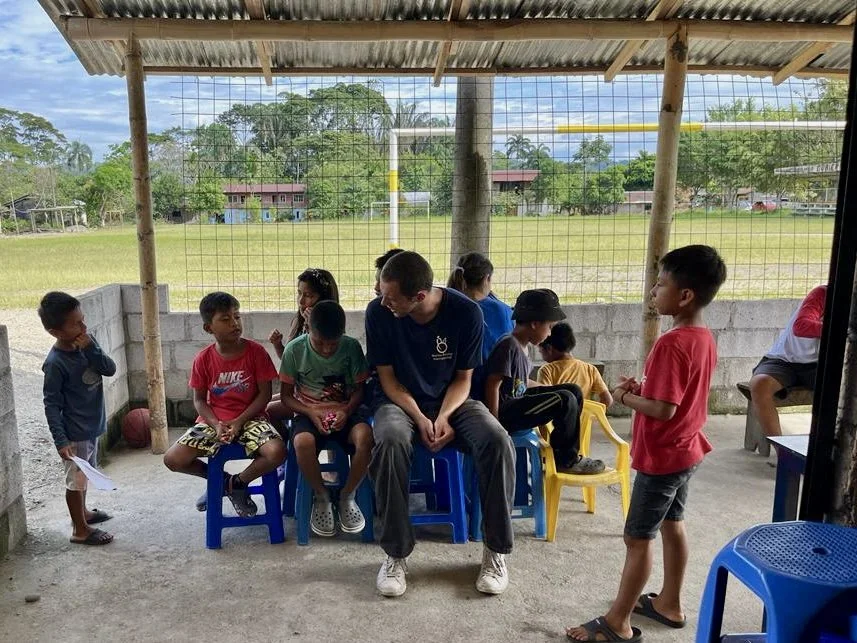
Do you know the difference between Kichwa and Quechua? Well, besides the rhyming names and the spelling (one with a 'K', the other with a 'Q'), there are major cultural and linguistic nuances. We’ll let our friends from Manna Project International tell you all about it.
What is Kichwa?
Kichwa is one of the languages and peoples of South America. The Kichwa language is part of the larger family of Quechua, spoken by indigenous peoples across the Andes, including Ecuador, Bolivia, Peru, Colombia, and parts of Argentina and Chile. It dates back to long before the Incas.
Kichwa in Ecuador
Kichwa holds a special place in Ecuador as an official language alongside Spanish. While there are an estimated 23 indigenous languages in the country, Kichwa is the most widely spoken, with about 450,000 native speakers—roughly 7% of the population.
Just like many ancient languages, there are diverse dialects depending on location and age. These differences in vocabulary and grammar make it a challenging yet rewarding language to learn. Currently, there is even a governmental initiative to create a universal Kichwa to help different communities collaborate more easily.


In the community of Shandia, Ecuador, Manna Project International is working with local partners to build a library and cultural center. This space allows the community to share oral traditions, keeping the Kichwa culture alive for future generations.
Preservation and Learning
Manna Project International has prioritized learning Kichwa for all local team members and volunteers. From agricultural projects to ecotourism and health, all initiatives are designed alongside Kichwa partners to ensure the preservation of their heritage.
“Quechua's survival is inspiring. It reflects the strength and resilience of its people. It's a language that thrives against all odds.”
— Unraveling the Threads of Quechua