Understanding El Día de los Muertos, The Mexican Holiday
 Unsplash: Fili Santillán
Do you remember the Disney movie Coco? The animated film was released years ago, but I'll always remember it for its themes of love, family, and never forgetting the people you've lost. For those of you who have neither seen nor heard about this Disney flick, Coco is an animation inspired by Día de Muertos or Día de los Muertos, one of the most important holidays in Mexico.
If you have about two hours to spare, stream Coco on Disney+ and explore the beautiful Mexico with Miguel and his family. Let the magic of the movie move you, as well as teach you about the beautiful tradition of celebrating loved ones who have passed on. I won’t spoil the movie for you, but my only piece of advice is to have a box of tissues nearby in case tears start welling up in your eyes.
But before you start learning about Día de los Muertos, here’s a song you can sing along with to help you get started. And if you can, hug your loved ones. Show them how much you appreciate them and remind them how much you love them whenever you can.
When is Día de los Muertos celebrated?
In Mexico, Día de los Muertos is often observed on November 1st and 2nd. The holiday is a time when people celebrate and remember their departed loved ones.
- November 1st, Día de los Angelitos – dedicated to honoring deceased children.
- November 2nd, Día de los Muertos – commemorates adults who have passed away.
History
“Día de Muertos has begun! It’s the one night of the year our ancestors can come visit us.” – Abuelita
The holiday originated as a ritual in pre-Columbian Mesoamerica around three thousand years ago. The Aztec and Nahua people saw death as a necessary part of the cycle of life. They believed that after passing away, the person went to Chicunamictlán (Land of the Dead) and eventually to their final resting place, Mictlán.
Ofrendas (Altars)
“Never forget how much your family loves you.” – Mama Imelda
 Blogography
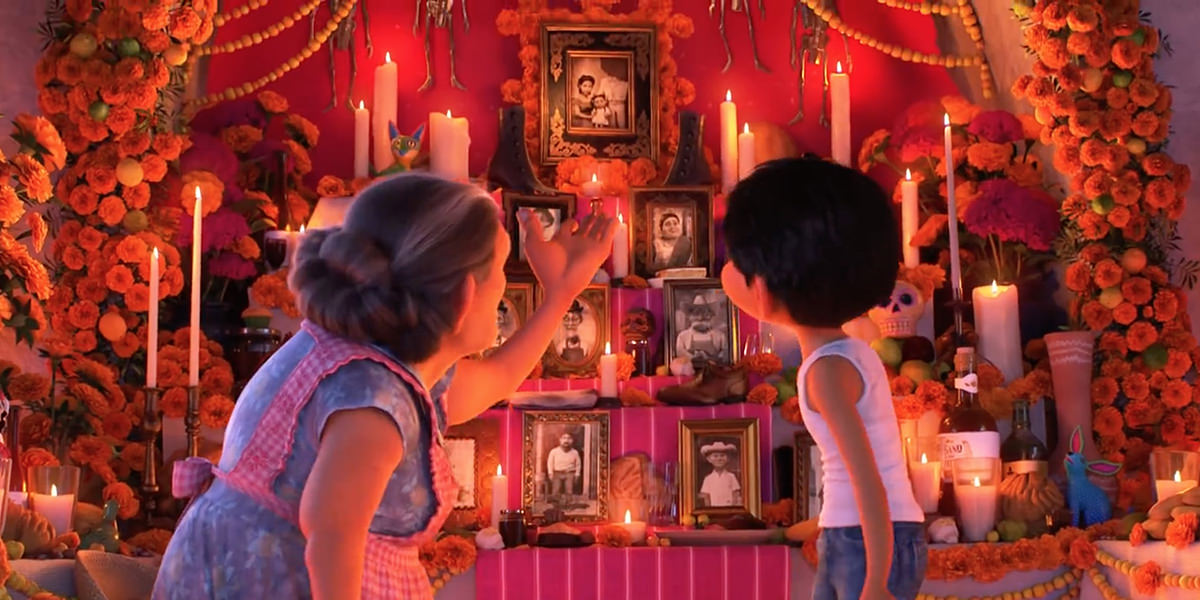
Families make special ofrendas filled with favorite personal items, foods, beverages, candles, and photos. These are set on top of colored oilcloth with papel picado to help spirits find their way back and hear the messages of the living.
Calaveras
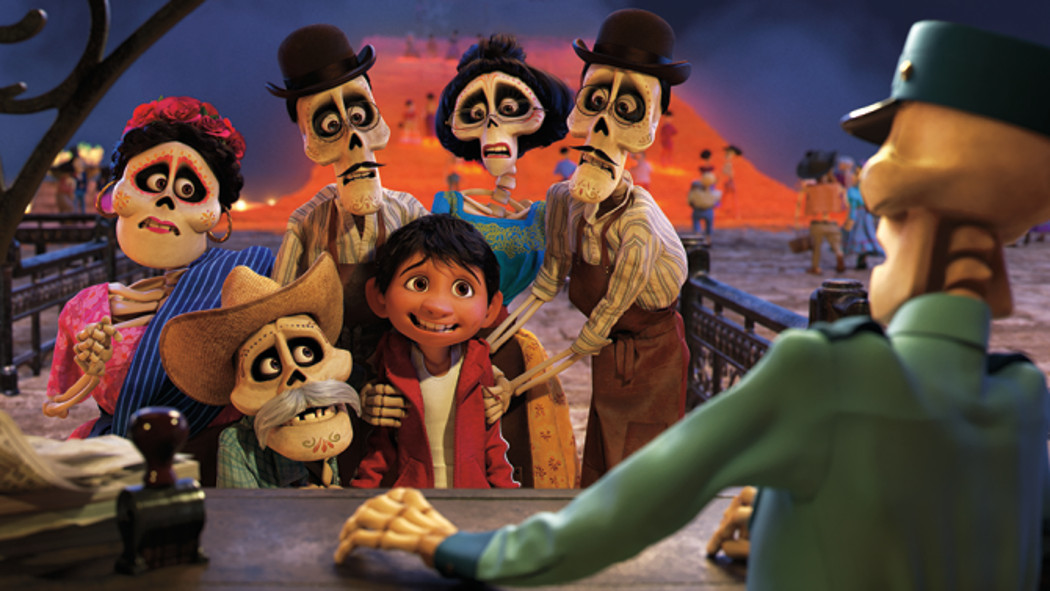 Wired Italia
The calavera (skull) is a central symbol, often depicted smiling to mock death. They appear as sugar candies, chocolate, or clay decorations with colorful beads.
Mexican Marigolds
 YouTube / Disney
Marigolds, or cempazúchitl, are the "Flower of the Dead." Their vibrant orange color and fragrance are believed to attract the souls of the departed to the offerings.
Day of the Dead Vocabulary
- La Noche de Duelo – "The Night of the Mourning," opening the celebration.
- Angelitos – "Little angels," referring to souls of dead children.
- Illuminación – The ritual of lighting countless candles to lead the departed.
- Papel picado – Decorative tissue paper with intricate patterns.
- Careta – Masks worn by dancers to frighten away the dead at the end of festivities.
- Alfeñique – Sugar paste used to make decorative candies and skulls.