Turkish Colors: How to Name and Pronounce Them
 Unsplash: June Andrei George
As you wake up in the morning, all you see are colors. Even if you spell colours with a “u,” they are just everywhere. Your blue backpack that is hanging by the door. The three green succulents on top of your vintage white dresser. The yellow fairy lights twinkling, making your room feel extra warm and cozy. Oh, and is that a vibrant red bird perching on your window?
Colors – don’t they just zhuzh up our mundane world? The use of colors plays a significant role in Turkish art and culture. They are not just random specks, but they are elements of history and they display the delicate intricacies of life. For example, if you look at a Turkish lamp you notice its vibrant colors and its detailed design. All these elements are what makes it so special and one of a kind.
When learning Turkish, it's good to start with the basics, which can include learning the Turkish names of colors. Pronunciation can get tricky, but don’t let it get to you. Once you’ve mastered the spectrum of colors, you can use this knowledge to describe what you see!
One more thing, if you want to learn more about colors read The Meaning of Colors in Turkish, Spanish, French, and more with Beelinguapp! Seriously, you should download Beelinguapp now so that all your wishes can come true.
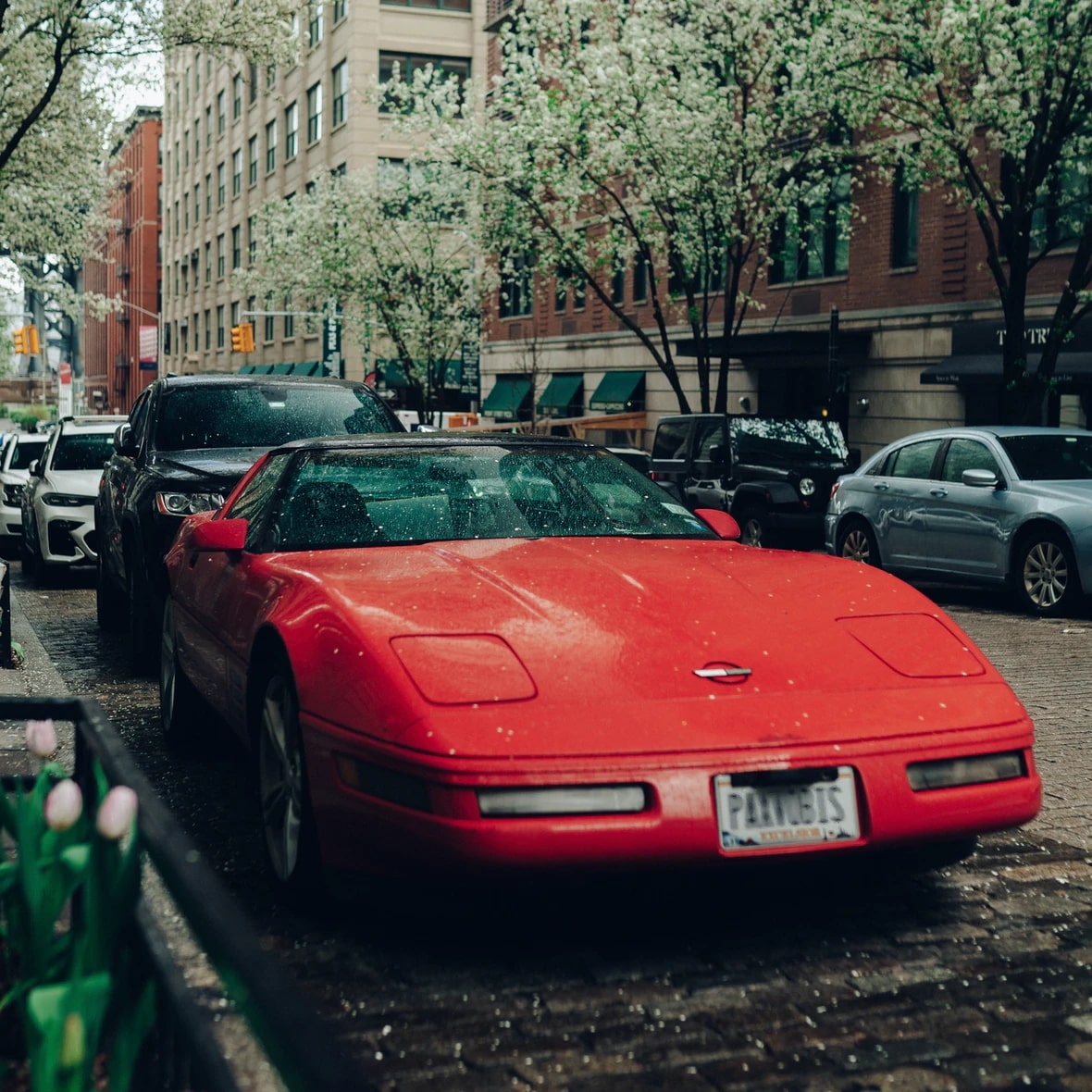
Red - kırmızı (kur-muh-zuh)
 Unsplash: Andre Tan
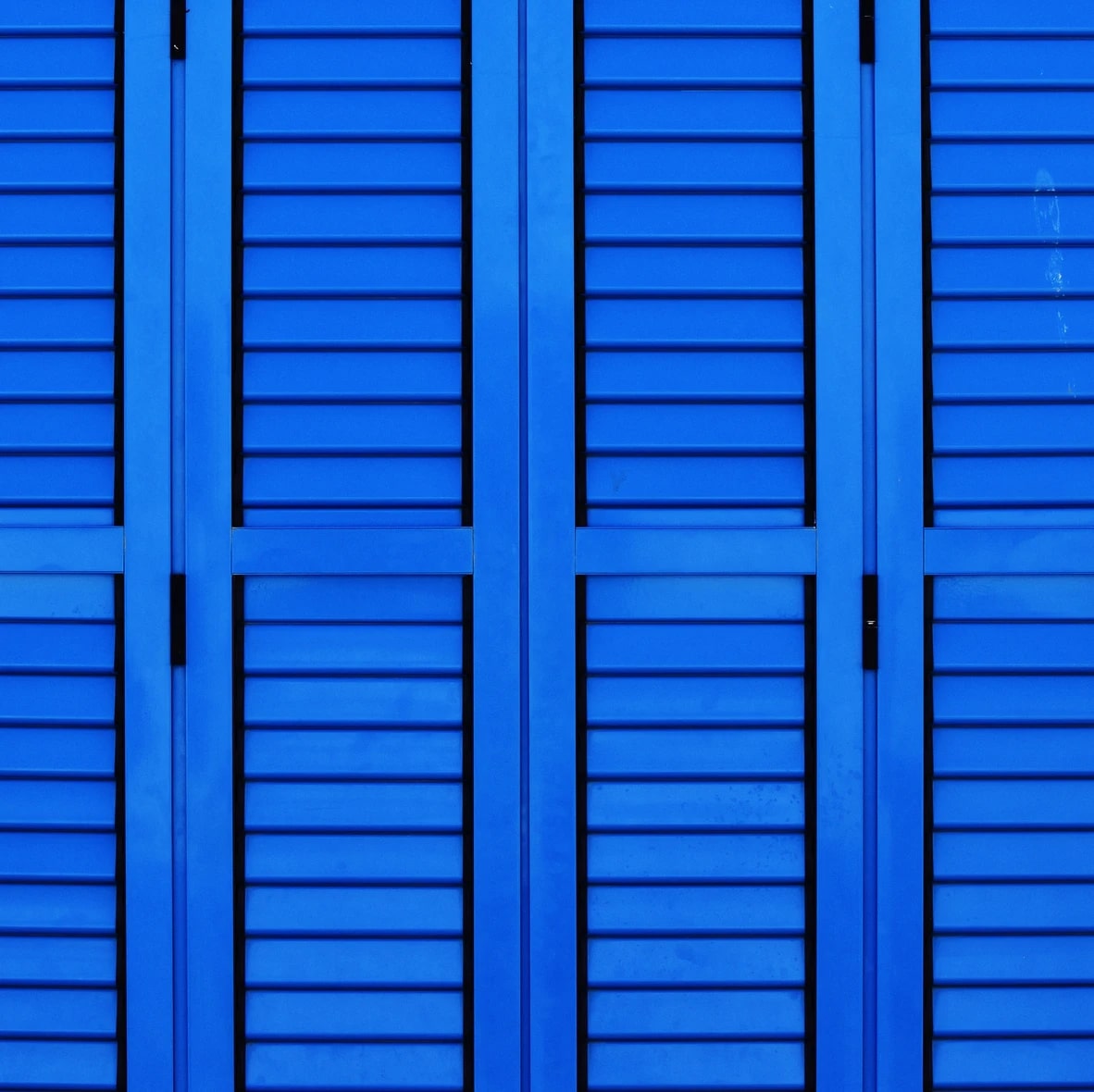
Blue - māvi (maa-vi)
 Unsplash: Julia Sabiniarz
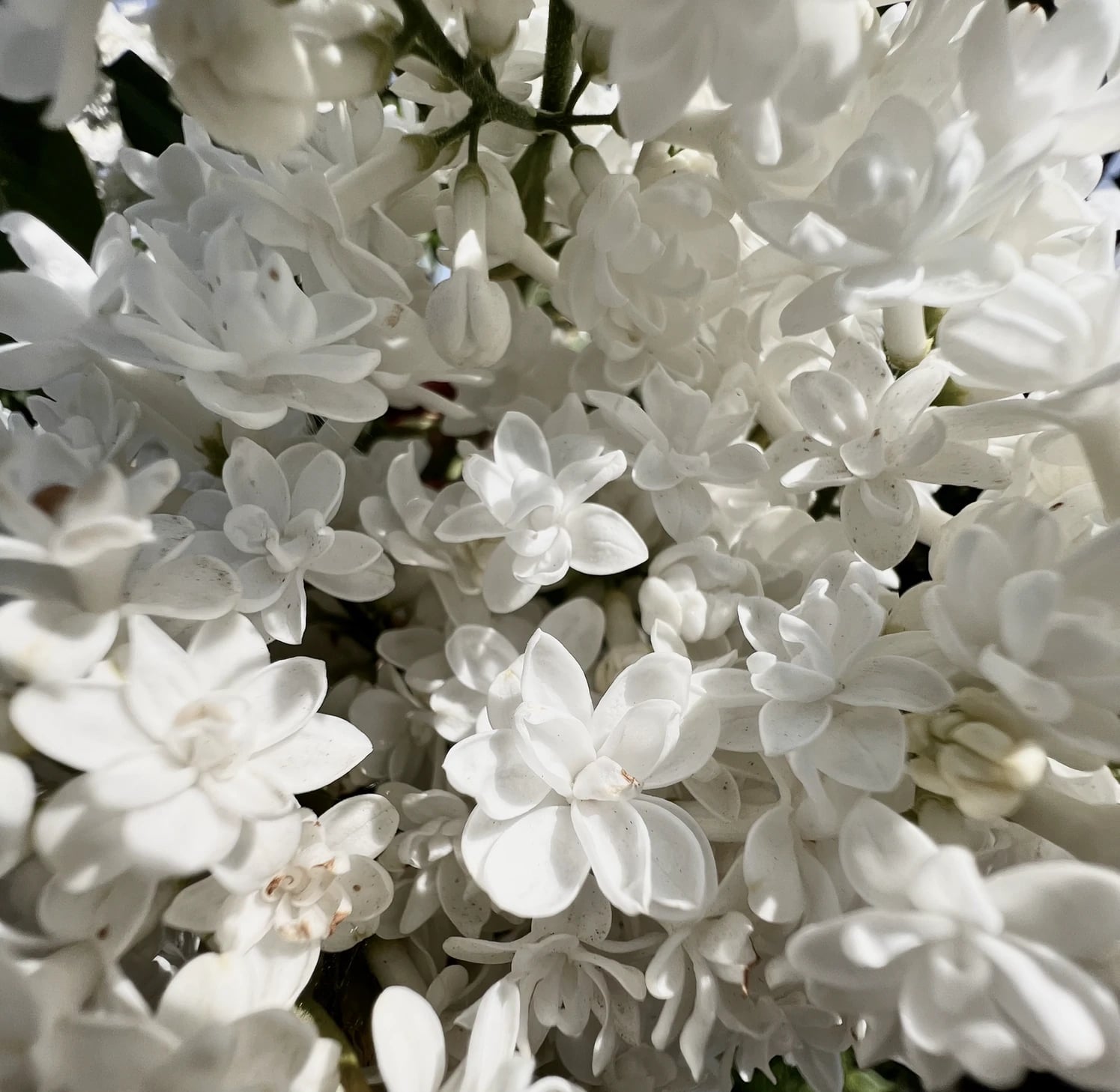
White - beyaz (beh-yaz)
 Unsplash: mitchell nijman
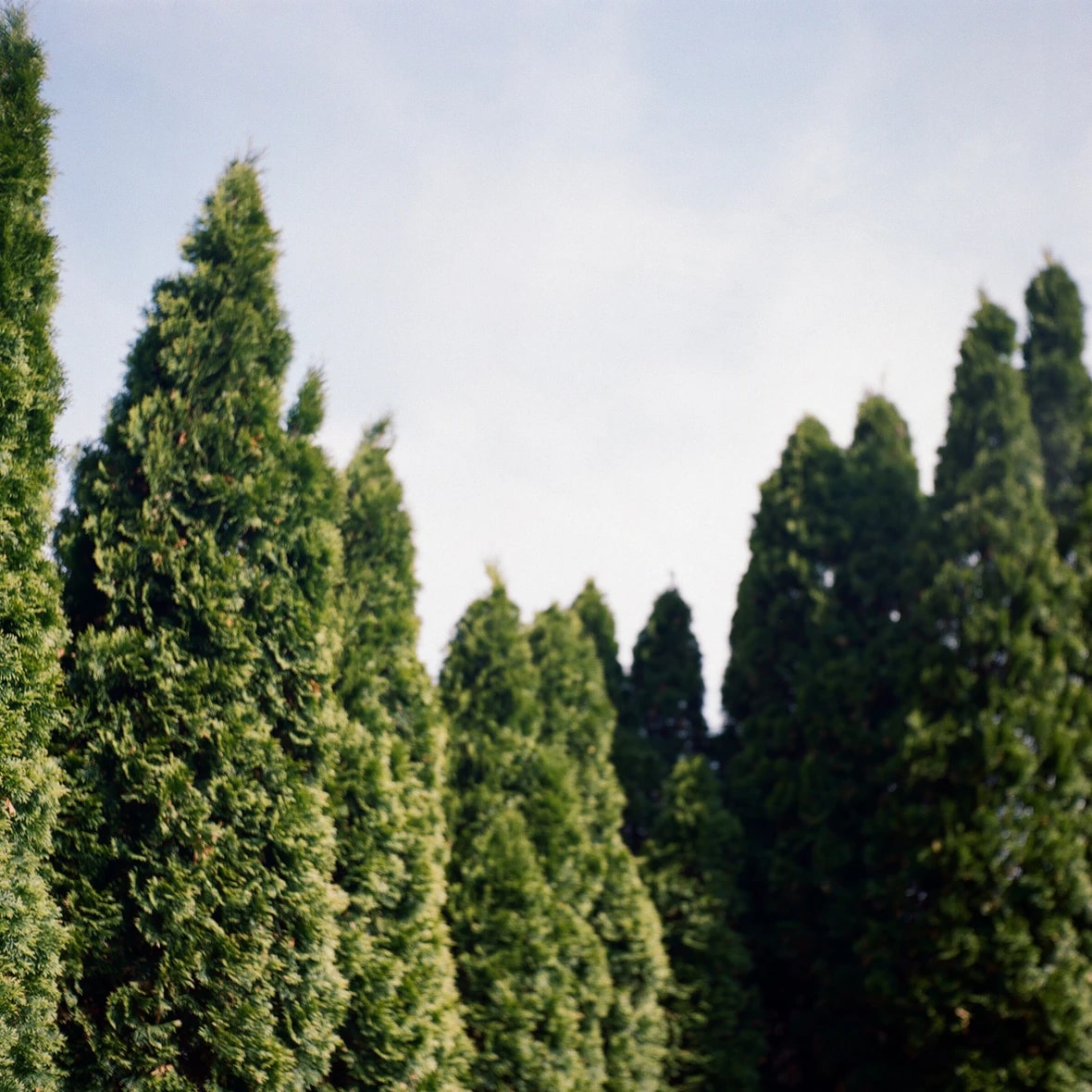
Green - yeşil (yeh-shil)
 Unsplash: Ashley Inguanta
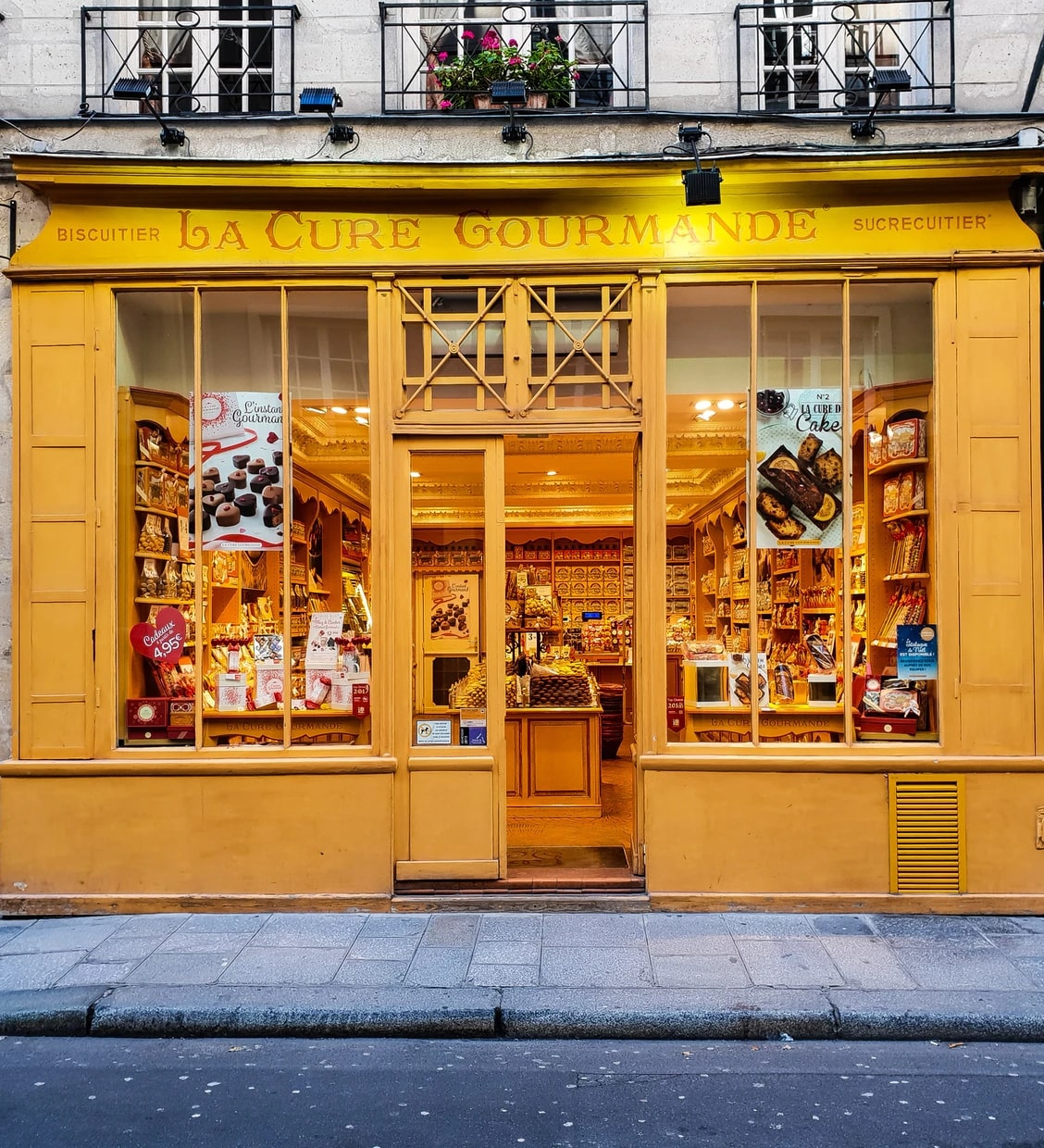
Yellow - sarı (sah-ruh)
 Unsplash: Marcellin Bric
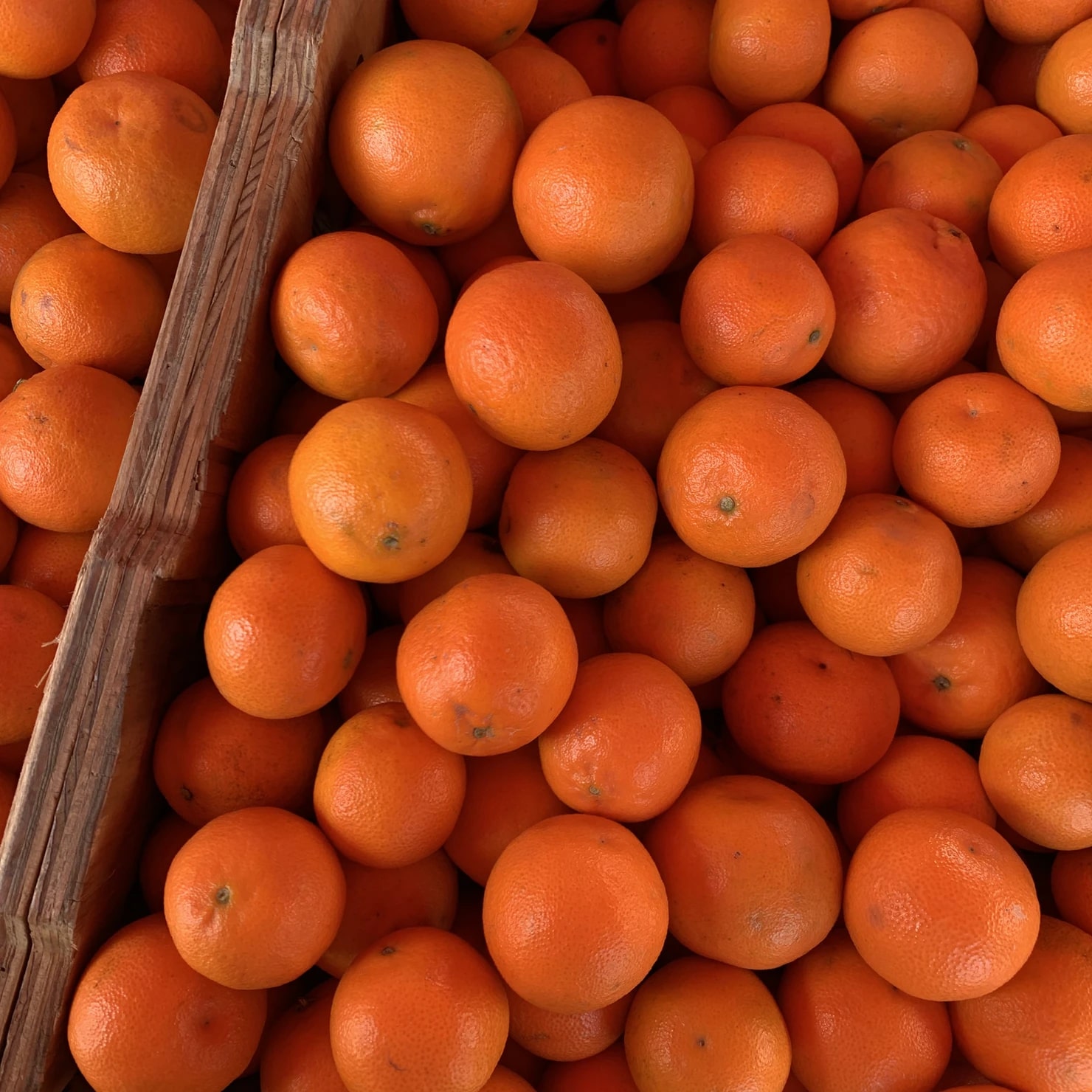
Orange - turuncu (too-roon-jooh)
 Unsplash: angela liu
Pink - pembe (pem-beh)
 Unsplash: Melissa Walker Horn
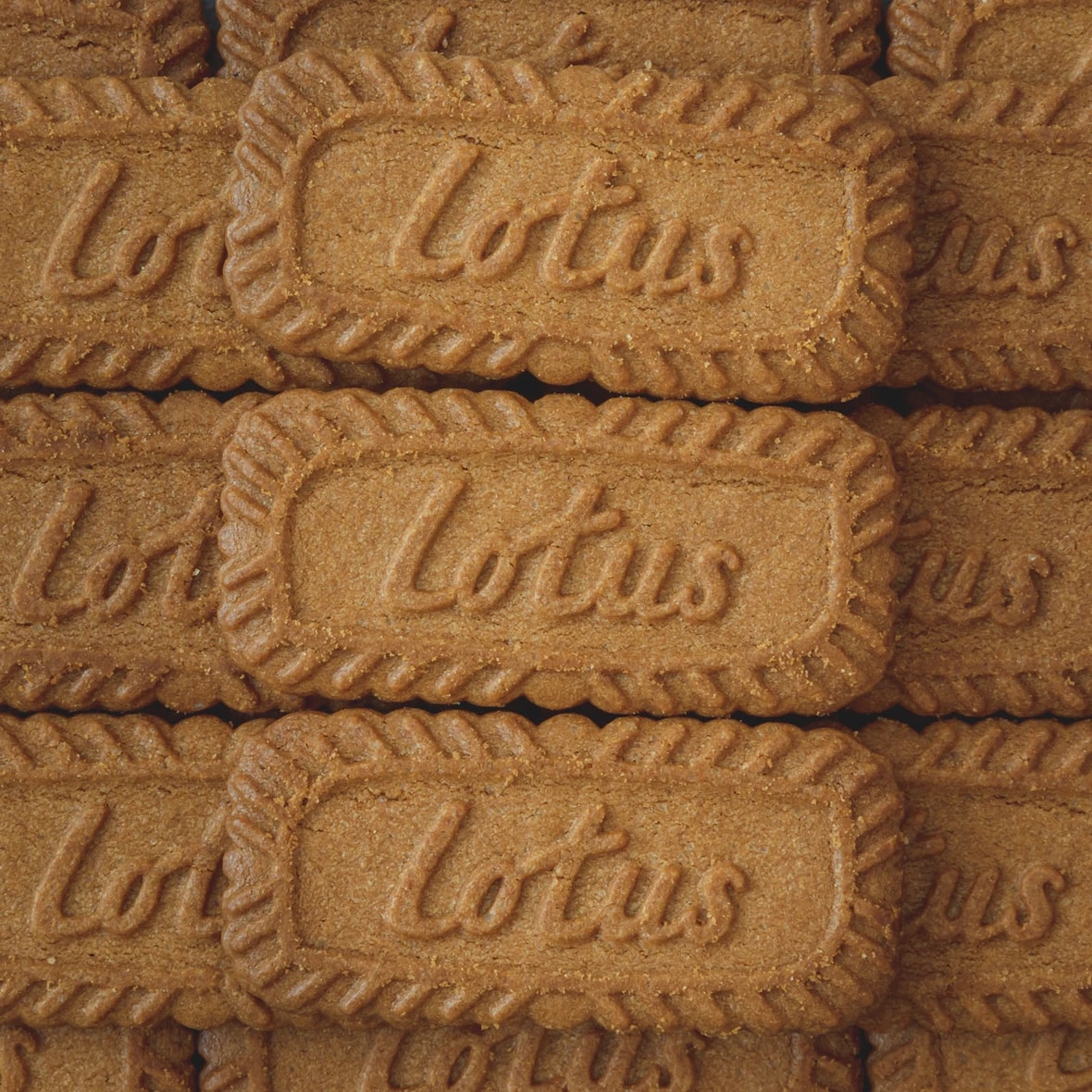
Brown - kahverengi (kah-veh-reng-geh)
 Unsplash: Andrew Molyneaux
Black - siyah (see-yah)
 Unsplash: Huzeyfe Turan